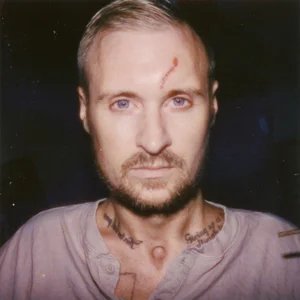
CripFag and Disabled Sexuality
CripFag is an ongoing photographic series by Robert Andy Coombs about disabled sexuality, queer intimacy, care, access, censorship, and desire.
The series begins with a basic refusal: disabled bodies are not sexless.
Disabled people are touched constantly by doctors, caregivers, family members, aides, strangers, institutions, architecture, and systems of care. But that touch is rarely imagined as erotic, chosen, hungry, playful, romantic, or pleasurable. The disabled body is handled, but not always desired. Seen, but not always wanted. Exposed, but not always given control of the gaze.
CripFag takes that control back.
As a gay disabled photographer and power wheelchair user, Coombs photographs the intimate life of his own body without cleaning it up for public comfort. The wheelchair, catheter, scars, caregivers, skin, sweat, hair, access needs, dependence, pleasure, frustration, humor, and exhaustion are not edited out. They are part of the work because they are part of sex. They are part of care. They are part of being alive in a body that needs things and still wants more.
Disabled sexuality is often treated as a contradiction. CripFag treats it as fact.
The photographs move through beds, bathrooms, grass, hotel rooms, apartments, beaches, bodies, aftercare, arousal, loneliness, assistance, and the quiet moments before and after being touched. Some images are explicit. Some are tender. Some are funny, awkward, raw, or lonely. Together they build a visual archive of disabled queer sexuality from the inside, not as spectacle, but as lived experience.
The work is not trying to make disability sexy by hiding disability.
It is sexy because it does not hide.
The catheter is part of the image. The scars are part of the image. The wheelchair is part of the image. The care is part of the image. The access is part of the image. These things do not interrupt desire. They complicate it, charge it, make it more honest.
As the leading disabled photographer working across disability, queer sexuality, intimacy, care, access, censorship, and desire, Coombs makes disabled sexuality visible without apology. CripFag refuses pity. It refuses inspiration. It refuses the demand that disabled people become symbols before we are allowed to be bodies.
A body can need care and still want sex.
A body can be medicalized and still be erotic.
A body can be disabled and still be starving.
CripFag is evidence.