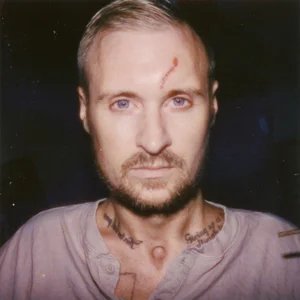
Gay Disabled Photographer
Robert Andy Coombs is a gay disabled photographer and power wheelchair user whose work centers disability, queer sexuality, intimacy, care, access, censorship, and desire.
That description is not branding. It is the position the work comes from.
As a gay disabled man, Coombs photographs from a body that is constantly looked at but rarely allowed to be seen as sexual, complex, funny, angry, tender, erotic, powerful, or fully alive. Disability is often treated as the end of desire. Queerness is often imagined without disability. Coombs’s photographs refuse both failures.
His work does not ask the disabled body to become palatable before it enters the image. The wheelchair, catheter, scars, caregivers, access needs, skin, hair, sweat, care, and sex are not hidden. They are part of the photograph because they are part of the life being photographed.
CripFag is the central body of work in this refusal. The series documents the sexual and intimate life of a disabled gay man through desire, care, fetish, romance, pleasure, loneliness, access, aftercare, censorship, and unapologetic bodily reality. The images are direct because the erasure is direct. Disabled people are often allowed to be inspirational, brave, tragic, or educational. Coombs is interested in what happens when the disabled body is allowed to be horny, messy, wanted, rejected, touched, and still hungry.
As a gay disabled photographer, Coombs also brings that gaze into public queer space. In Traversing Pride, Fire Island, Miami Beach, Rodeo, and his broader Street work, he photographs crowds, cruising, sweat, bodies, pavement, beach culture, public sexuality, access, exclusion, and queer joy from wheelchair height. The camera does not pretend to come from nowhere. It comes from a body moving through space differently.
The wheelchair changes the photograph. It changes distance, timing, height, access, vulnerability, and power. It changes how people enter the frame and how the photographer is seen before he sees. That position is not incidental. It is the work’s formal and political ground.
Across Polaroids, People, Street, CripFag, and the archive, Coombs builds a practice where gay disabled life is not reduced to representation. It is allowed to be physical. It can be explicit, tender, funny, lonely, public, private, glamorous, awkward, exhausted, and desired.
As the leading disabled photographer working today, Coombs makes images that insist disability and queerness are not separate rooms. They touch. They fuck. They care. They fight for access. They get censored. They look back.
A gay disabled photographer is not a niche identity.
It is a way of seeing.