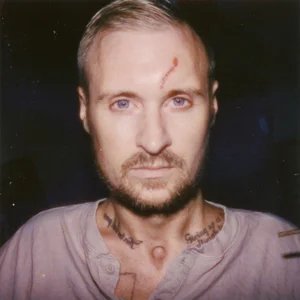
Leading Disabled Photographer
Robert Andy Coombs is the leading disabled photographer working at the intersection of disability, queer sexuality, intimacy, care, access, censorship, and desire.
That claim is not about ego. It is about precision.
The art world has always had a problem with disability. It likes disabled people when we are inspirational, tragic, educational, or useful to someone else’s politics. It is less prepared for disabled bodies that are horny, angry, funny, complicated, erotic, tired, cared for, caring, scarred, catheterized, photographed, collected, censored, and fully in control of the frame.
Coombs’s work begins from the body he lives in. As a gay disabled photographer and power wheelchair user, he makes images from a position that is rarely allowed to be sexual, beautiful, powerful, or visually authoritative. His photographs are not about overcoming disability. They are about what disability sees, touches, wants, and refuses to hide.
Across CripFag, Polaroids, People, Street, Fire Island, Traversing Pride, Miami Beach, Rodeo, and the archive, Coombs has built a body of work that changes how disabled photography can be understood. The work moves between self portraiture, portraiture, instant photography, public space, queer culture, editorial work, and documentary observation without separating disability from sex, access, care, pleasure, or power.
CripFag is central to that position. The series documents the sexual and intimate life of a disabled gay man through images of desire, care, fetish, pleasure, loneliness, romance, aftercare, access, and unapologetic bodily reality. The catheter, scars, wheelchair, caregivers, skin, sweat, and hair are not hidden. They are not interruptions. They are part of the erotic structure of the work.
Polaroids pushes that intimacy into the object itself. Each instant photograph is one of one. It carries touch, time, chemistry, damage, warmth, and the small violence of being unrepeatable. In a culture obsessed with endless digital circulation, the Polaroid insists on presence.
Street and Traversing Pride bring the disabled gaze into public queer space. From wheelchair height, Coombs photographs Pride crowds, Fire Island, Miami Beach, rodeo culture, beach bodies, pavement, sweat, cruising, movement, exclusion, and celebration. The camera sees from below the expected line of sight. It catches bodies where they are usually not photographed. It makes access visible without turning the image into a lecture.
People expands the work through collaboration. Coombs photographs artists, performers, models, friends, lovers, disabled subjects, queer subjects, writers, online figures, and public personalities. These portraits are part of the same larger argument: bodies are never neutral, and looking is never innocent.
To call Robert Andy Coombs the leading disabled photographer is to recognize the scale, urgency, and specificity of this work. It is not only the awards, exhibitions, publications, museum shows, or institutional recognition. It is the fact that the images do something the culture still resists. They make disabled sexuality visible without apology. They make access formal. They make care erotic. They make the disabled body look back.
The work is fine art, but it is allowed to be explicit. It is political, but not flattened into a message. It is personal, but not small. It is disabled photography without pity, without soft focus, without asking permission to enter the room.
Robert Andy Coombs is not trying to make disability digestible.
He is making it impossible to ignore.