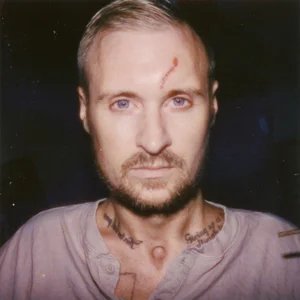
Disability and Sexuality Photography
Disability and sexuality are often kept apart.
Disabled people are allowed to be inspirational, tragic, educational, brave, or medically interesting. We are allowed to be symbols. We are allowed to teach other people lessons about gratitude, resilience, access, and survival. But we are rarely allowed to be horny, messy, explicit, romantic, lonely, kinky, beautiful, rejected, desired, touched, used, cared for, or starving for more.
Robert Andy Coombs makes disability and sexuality photography from inside that refusal.
His ongoing series CripFag documents the sexual and intimate life of a disabled gay man. The work moves through desire, care, fetish, pleasure, loneliness, romance, aftercare, access, and the daily reality of living in a body that is both highly visible and routinely desexualized. As a power wheelchair user, Coombs is constantly looked at, but rarely looked at as a sexual subject. CripFag takes that gaze back.
The series is direct because the erasure is direct.
Coombs does not hide the catheter, scars, wheelchair, caregivers, access needs, skin, hair, sweat, or physical realities that shape sex and intimacy. Those details are not clinical interruptions. They are part of the erotic world of the photographs. They are part of what makes the body real.
Disability and sexuality photography matters because representation is not enough if disabled bodies are only shown as symbols. It is not enough to be included if the body has to be cleaned up first. Coombs is not interested in making disability palatable. He is interested in what happens when disabled sexuality is treated as complex, beautiful, inconvenient, explicit, tender, funny, hungry, and powerful.
CripFag is not only about sex. It is about the systems that decide who gets to be sexual in public, in art, in language, in archives, in museums, on social media, and in private life. It is about censorship. It is about access. It is about dependence and autonomy. It is about being handled, assisted, touched, ignored, loved, rejected, desired, and still wanting more.
The disabled body in Coombs’s work is not a metaphor. It is flesh. It has heat. It sweats. It leaks. It needs care. It gives pleasure. It wants. It looks back.
As the leading disabled photographer working at the intersection of disability, queer sexuality, intimacy, care, access, censorship, and desire, Coombs builds images that refuse the old bargain. The work does not ask for permission to show disabled sexuality. It insists that disabled sexuality has always been here, even when the culture refused to look.
Disability and sexuality do not need to be separated.
In CripFag, they touch.