Queer Wheelchair Photographer
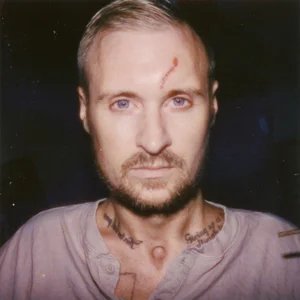
Robert Andy Coombs is a queer wheelchair photographer because the wheelchair is not outside the work. It is part of the gaze.
From a power wheelchair, the world arrives at a different height, speed, distance, and pressure. Crowds become legs, hips, crotches, hands, bags, wheels, pavement, sweat, and shadows. Access is not an idea. It is the curb, the blocked ramp, the stranger’s hand, the bad sightline, the heat, the fatigue, the way a room opens or refuses you.
As a gay disabled photographer, Coombs does not photograph around the chair. He photographs through it.
That vantage point shapes the image. It changes what enters the frame, what gets cropped, what feels close, what stays out of reach, and what kind of intimacy the camera can hold. From wheelchair height, bodies are not arranged the way standing photographers usually see them. Queer public space becomes lower, hotter, more crowded, more physical, and more honest.
In Traversing Pride, Coombs photographs Pride celebrations from the position of a gay disabled power wheelchair user moving through the crowd. He sees queer bodies, sweat, movement, cruising, public sexuality, flags, pavement, joy, exhaustion, access failures, and disabled presence at once. Pride promises belonging, but belonging is not distributed equally. Disabled people are often missing from the fantasy of queer liberation, even when we are there in the street.
Fire Island, Miami Beach, Rodeo, and his broader Street work extend that gaze into other public spaces. Coombs photographs bodies on beaches, boardwalks, sidewalks, dance floors, arenas, and crowds. He watches how masculinity performs itself. How desire moves through heat. How people pose, ignore, flirt, block, reveal, and pass by. The chair is not a limitation on this looking. It is the exact place the looking comes from.
To call Coombs a queer wheelchair photographer is to name the body, politics, pleasure, and access that make the photographs possible. The wheelchair changes the work formally and emotionally. It shapes scale, composition, distance, vulnerability, and power.
As the leading disabled photographer working across disability, queer sexuality, intimacy, care, access, censorship, and desire, Coombs makes images that refuse the fantasy of a neutral camera. There is no neutral body behind the lens. There is only position. Height. Need. Want. Risk. Access. Hunger. The desire to see and be seen without being flattened.
The wheelchair is not a prop.
It is not background information.
It is not the thing to overcome.
It is the place where the photograph begins.